Pablo Picasso

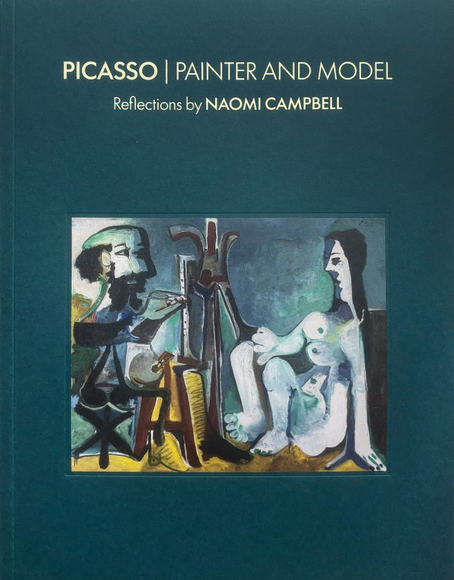
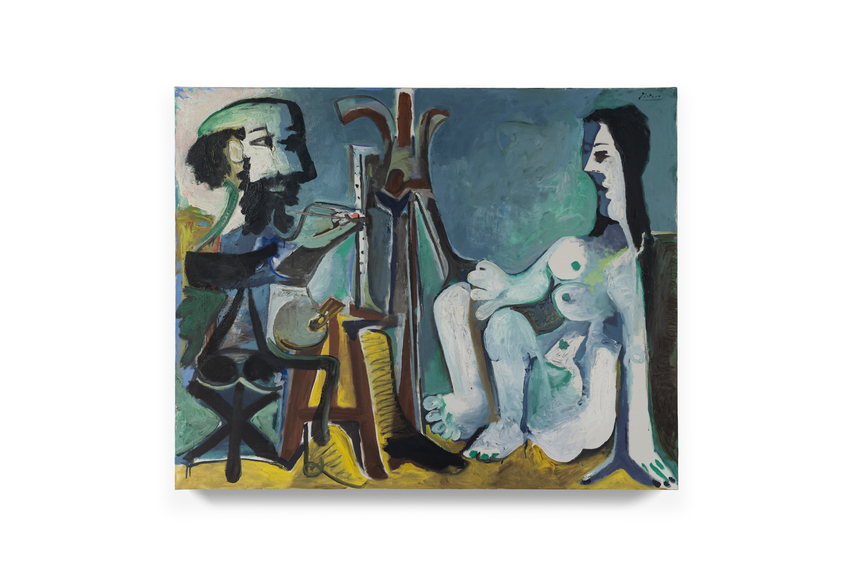
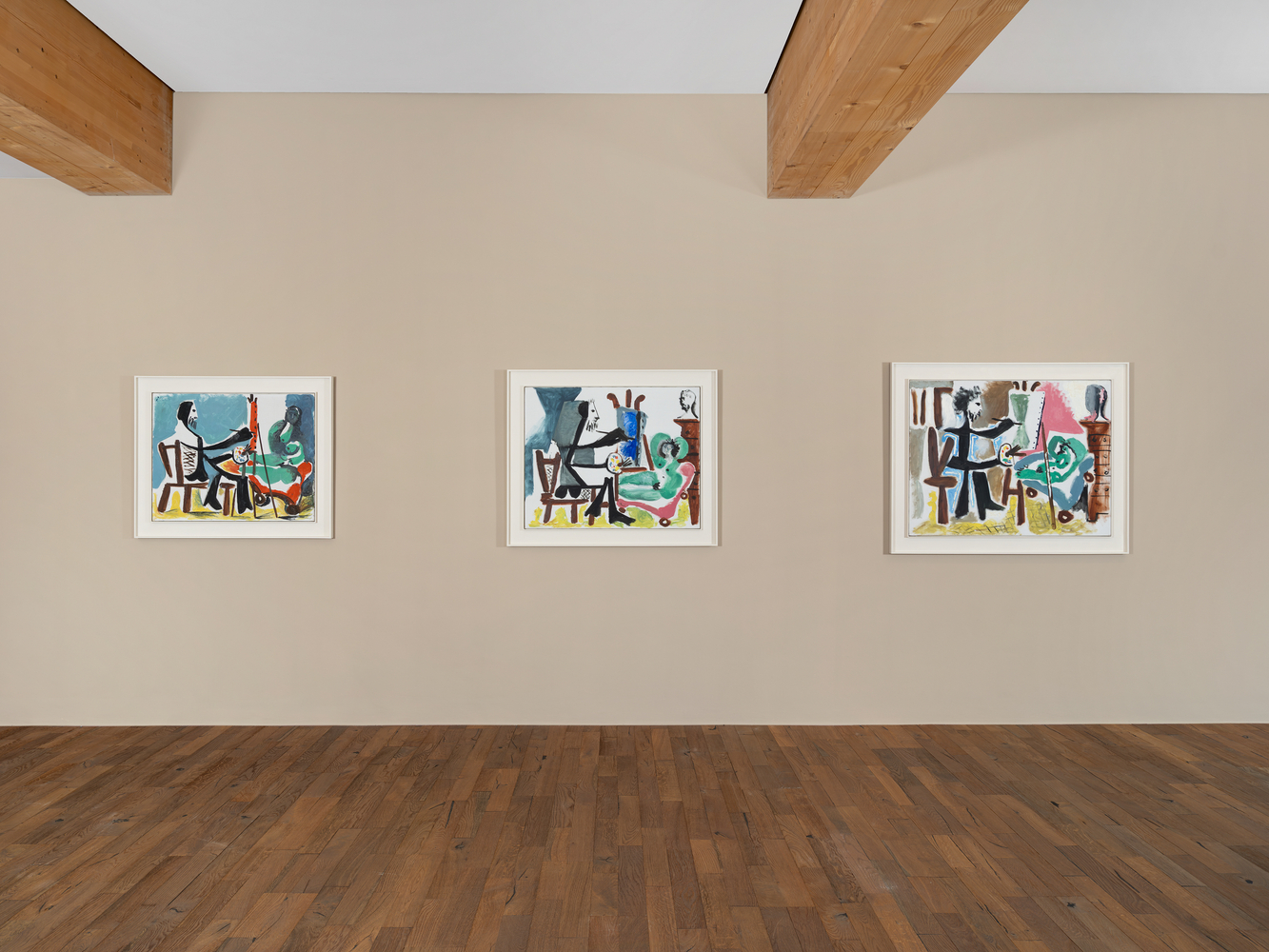
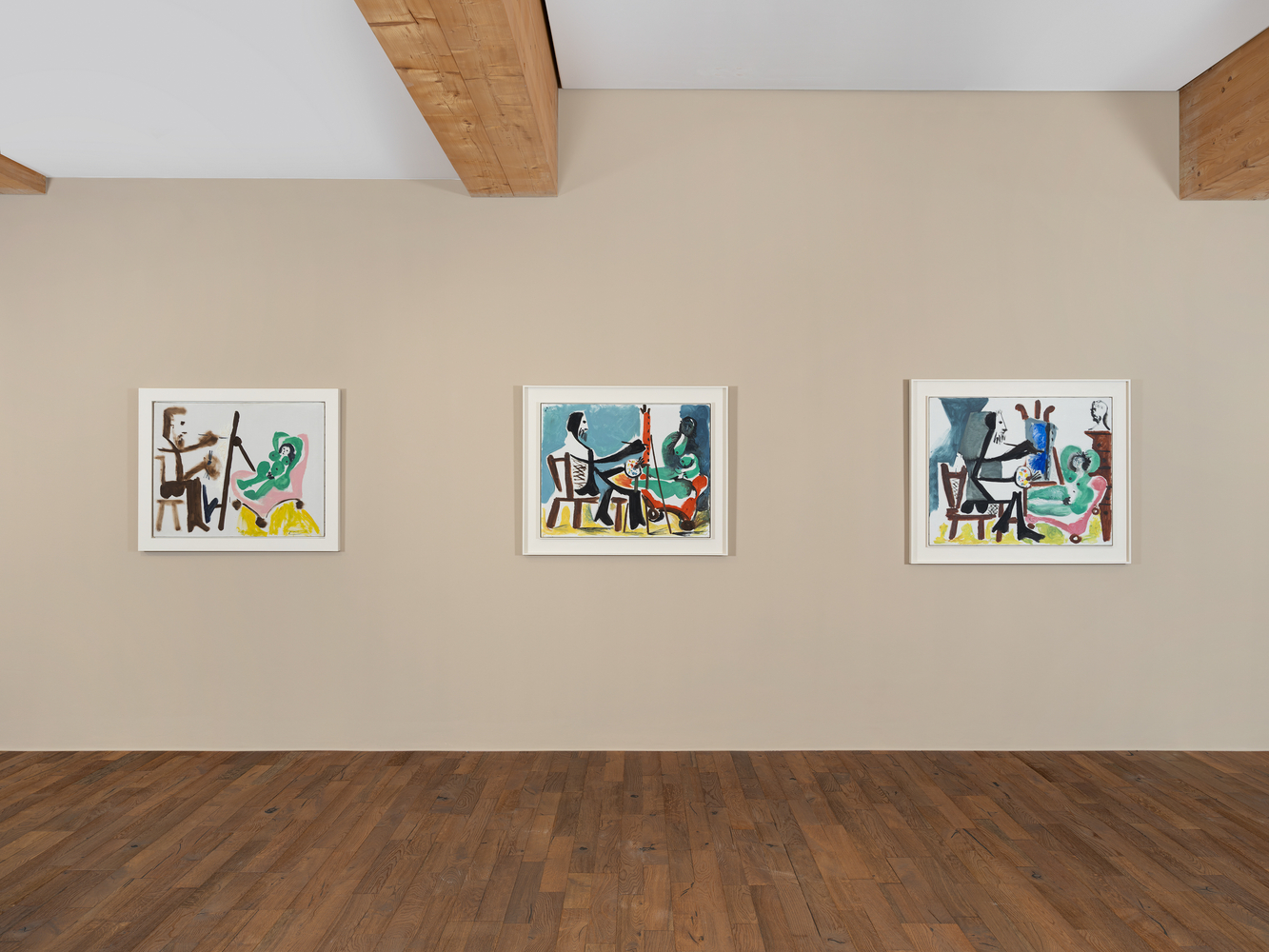
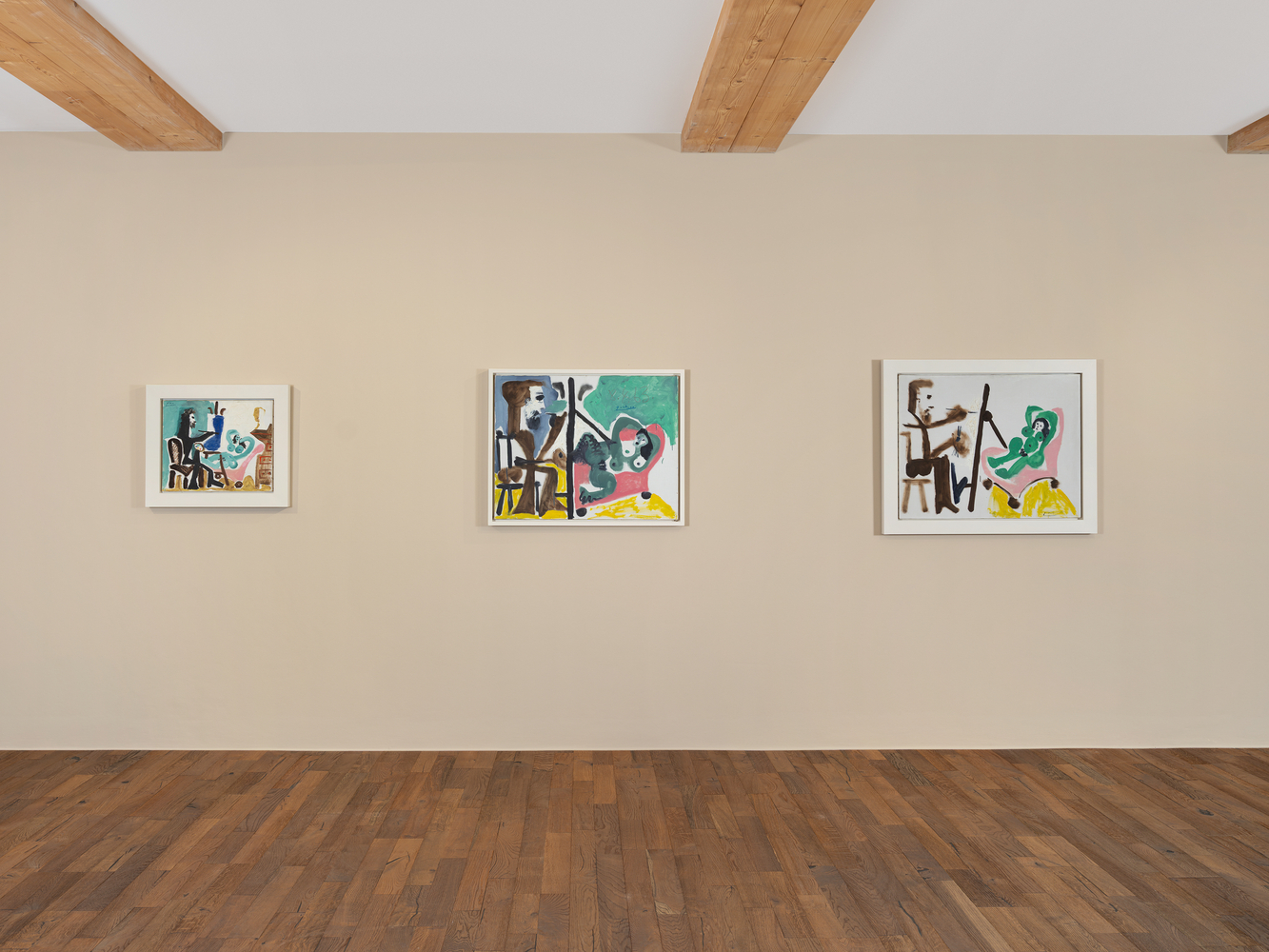
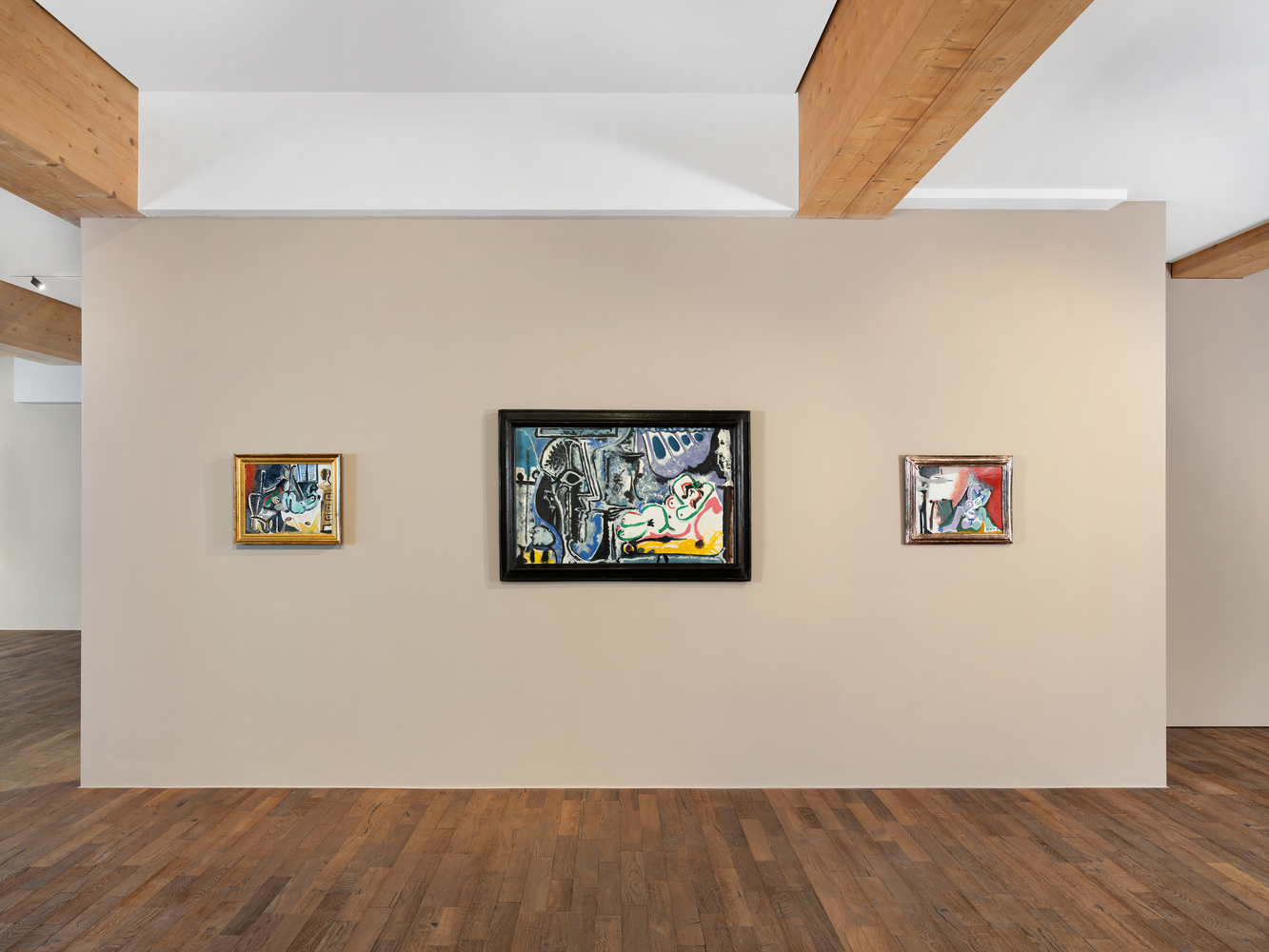
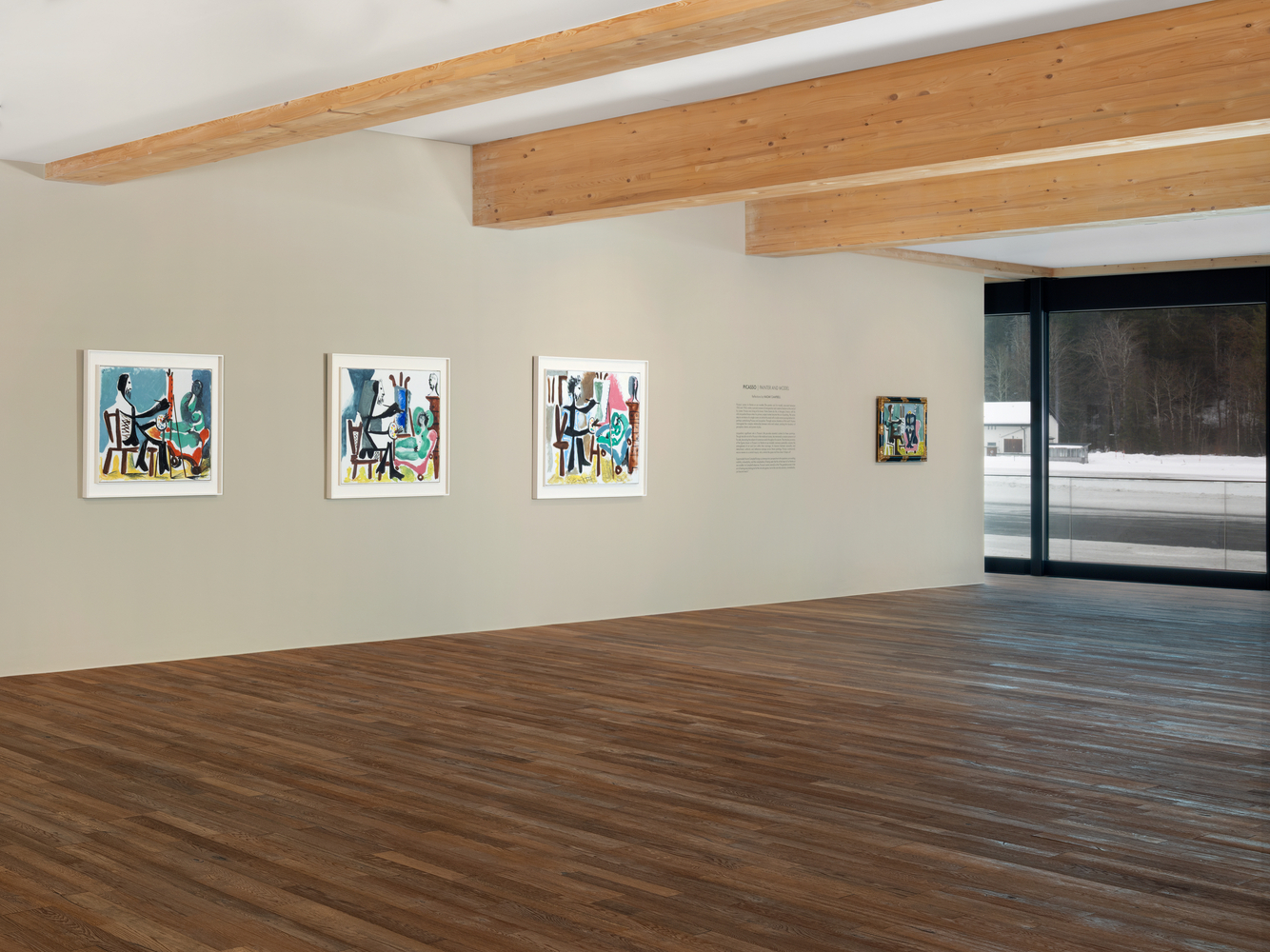
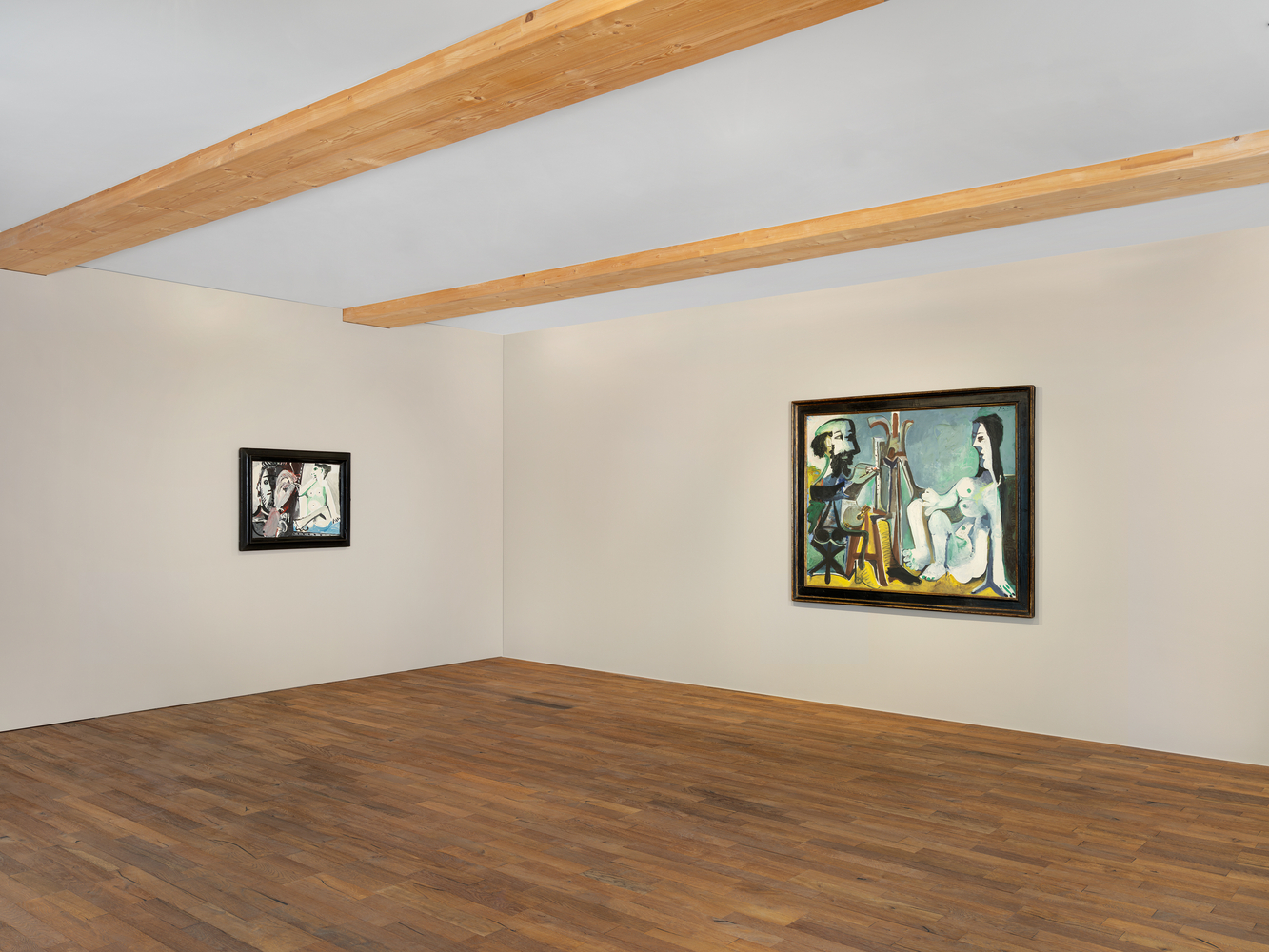
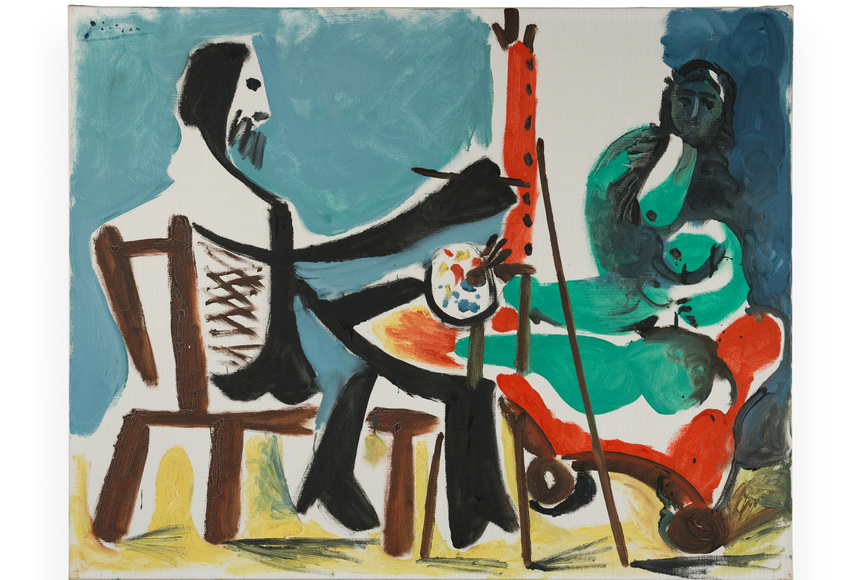
Nahmad Contemporary is pleased to present PICASSO | PAINTER AND MODEL, Reflections by Naomi Campbell, on view at Tarmak22 in Gstaad, from February 14 through March 15, 2026. This exhibition brings together a selection of fourteen paintings from Picasso’s consequential late series Le Peintre et son modèle (The painter and his model). Painted between 1963 and 1965, this tightly curated group of works marks a pivotal moment of introspection and creative freedom at the end of Picasso’s career. Living at his final residence, Notre-Dame-de-Vie, Mougins, with his wife Jacqueline Roque during this period, Picasso turned to the act of painting as his primary subject matter. The canvases in this series depict variations of a single scene: an artist at his easel with a nude woman posing before him, perhaps symbolizing Picasso and Jacqueline. Through various iterations of this motif, Picasso interrogates the complex relationship between artist and subject, probing the dynamics of perception, desire, and power at play.
The perspective of international supermodel Naomi Campbell, one of fashion’s most influential muses, sheds new light on the charged encounters that Picasso constructs across this body of work. Drawing from her lived experience of inhabiting the gaze, Campbell brings a contemporary voice to the questions surrounding visibility and vulnerability, authorship and control, and the complexities of being seen that lie at the heart of this series.
While Picasso explored the archetypes of artist and model in earlier works, his investigations into these subjects took on a heightened sense of self-consciousness at the end of his life. The vivid palette and striking economy of form Picasso employs throughout this series of the 1960s reflect an urgency and expressive intensity unparalleled in his previous paintings on the theme. Across this suite of canvases, viewers find Picasso undertaking what would prove to be his most focused existential investigation into the creative process.
Picasso’s relationship to Jacqueline, his beloved muse, forms an important backdrop to this series. Due to Picasso’s age and celebrity, the pair adopted a relatively reclusive existence at Notre-Dame-de-Vie, and, in their isolation, their daily lives were inextricably intertwined. Though Jacqueline did not typically sit for Picasso, she remained a constant presence, becoming the subject of hundreds of paintings, drawings, prints, and sculptures collectively. Moreover, her devoted management of the couple’s domestic world allowed Picasso to maintain the rigorous cadence of his practice throughout his final years. The intimate proximity of the two figures within this group of paintings — with one 1964 example even depicting the model’s body fusing with the artist’s canvas — may conjure the parallel entanglement of art and love within their marriage. As the painter and model take turns looking at one another, tensions between sensuality and detached observation, power and deference emerge. As Campbell observes, “Picasso’s paintings remind us that intimacy doesn’t require access, and that what is withheld can be even more powerful than what is at times revealed.” Through his compelling portrayals of the relationship between the series’ archetypal protagonists, he continuously returns viewers to a central inquiry: who controls the gaze and how does it shape us?
The historical context of the 1960s further underscores the critical depth of these works. In this decade, figuration had largely fallen out of favor in the art world amid the widespread turn toward abstraction. While Picasso rarely spoke of the creative movements of his time, he nevertheless remained skeptical of art’s break with the objective world. Through the mid-1950s and early 1960s, he completed numerous variations on canonical paintings, including Eugène Delacroix’s Les Femmes d’Alger, Diego Velázquez’s Las Meninas, and Édouard Manet’s Le Dejeuner sur l’herbe — measuring himself against the masters of the figurative tradition in order to prove his standing among them. Created on the heels of these works, and immediately preceding his celebrated Mosqueteros, Le Peintre et son modèle finds the artist again contemplating his legacy and particular role within art history — this time, by taking on one of the most iconic tropes of figurative art.
PICASSO | PAINTER AND MODEL, Reflections by Naomi Campbell brings together some of the most distinguished examples from this body of work, previously featured in major exhibitions at the Centre Pompidou, Paris, Fondation Beyeler, Riehen, Museo Reina Sofía, Madrid, and the Solomon R. Guggenheim Museum, New York, among other institutions. With Campbell’s unique insights, this presentation offers a contemporary look at the complexities that define Le Peintre et son modèle, the nature of representation, and the seductive power of what remains just beyond reach.
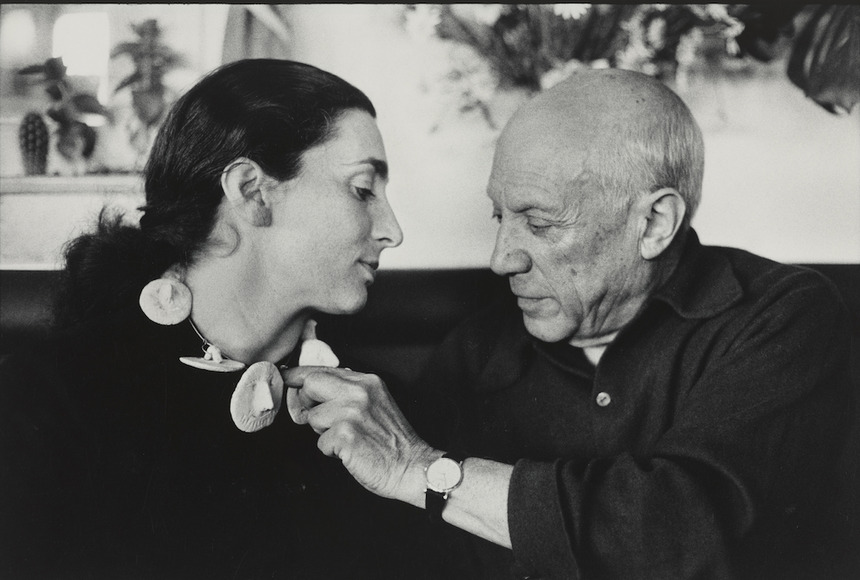
Pablo Picasso in his studio at Notre-Dame-de-Vie, Mougins, 1963.
© Robert Doisneau / Getty Images. © 2026 Estate of Pablo Picasso / Artists Rights Society (ARS), New York.
Tarmak22
Oeystrasse 29, 3792 Saanen, Switzerland
Monday - Sunday 11AM - 6PM
For Press Inquiries:
Rita Nakouzi
press@nahmadcontemporary.com
Elizabeth Dee
edee@elizabethdee.com
David Ulrichs
david@davidulrichs.com
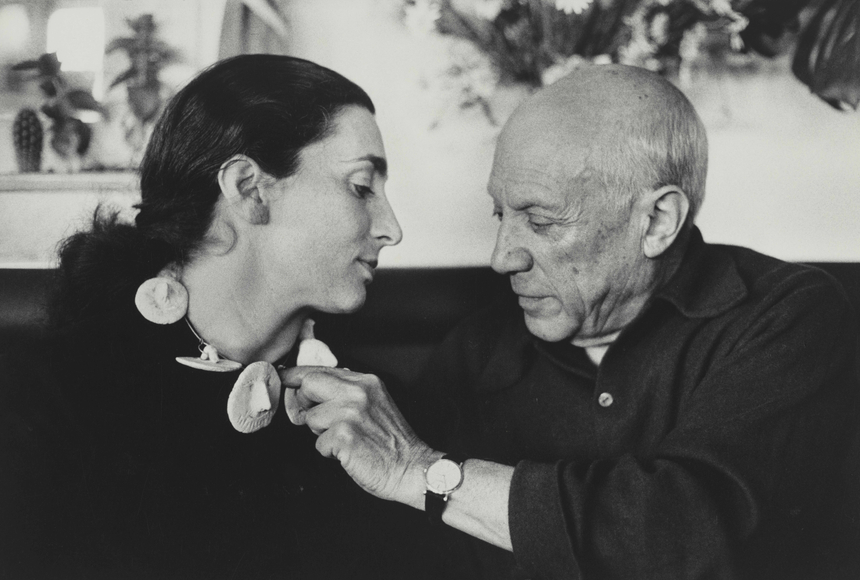
From Cubism’s origins to Picasso’s final years, his art unfolded in dialogue with women whose presence transformed its form and meaning
In dialogue with Picasso’s Le Peintre et son modèle series, Naomi Campbell reflects on the gaze as a site of power, surrender, and collaboration between artist and muse.